
MCQ Taiwan Wire Market Intelligence for Taiwan's Business Frontier

Market Intelligence for Taiwan's Business Frontier

MCQ Taiwan Wire

Stories, ideas & perspectives — thoughtfully written, beautifully told.

Tariff Miscalculation: Why American Companies Are Getting Taiwan's Sourcing Economics Dangerously Wrong
Cover story

Tariff Miscalculation: Why American Companies Are Getting Taiwan's Sourcing Economics Dangerously Wrong

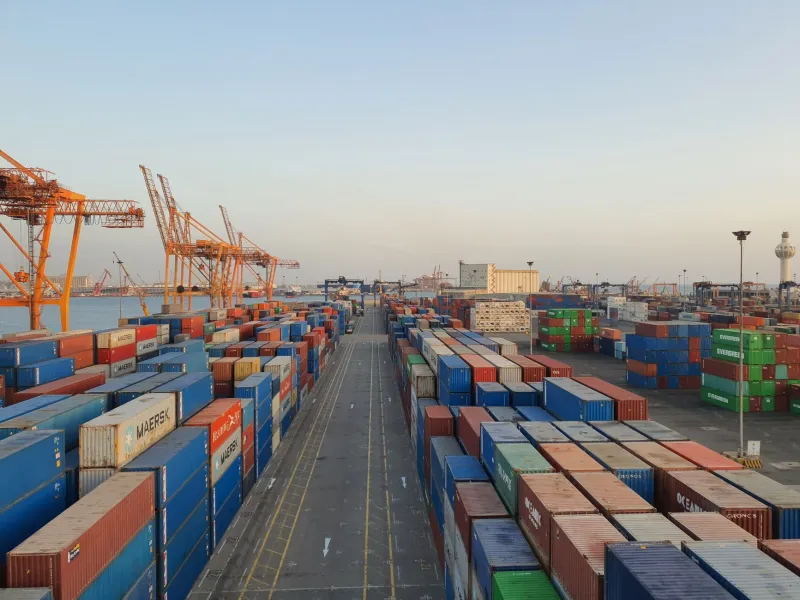
A growing number of US companies have repositioned Taiwan as a tariff-safe alternative to China-based sourcing—only to discover that the underlying trade math no longer supports that assumption. Outdated origin classifications, overlooked duty exposure, and the cascading effects of ongoing US-China trade tensions are quietly inflating landed costs in ways that most procurement teams have yet to fully account for. This analysis examines where the miscalculations are occurring and what corrective

Read the story →

Latest Articles

The New Cost Reality: Why US Firms Relying on Taiwan's Old Labor Pricing Are Getting Burned 02
Market Analysis

The New Cost Reality: Why US Firms Relying on Taiwan's Old Labor Pricing Are Getting Burned

The labor cost assumptions that made Taiwan an attractive outsourcing destination a decade ago have shifted dramatically, leaving many US companies with eroding margins and outdated financial models. Wage inflation, intensifying domestic talent competition, and sector-specific pressures are forcing a fundamental reassessment of Taiwan's value proposition. This analysis examines where the exposure is greatest—and where forward-thinking US firms are finding new paths to margin recovery.

Shifting Ground: How Taiwan's Accelerating Enforcement Calendar Is Blindsiding US B2B Vendors Mid-Contract 03
Market Analysis

Shifting Ground: How Taiwan's Accelerating Enforcement Calendar Is Blindsiding US B2B Vendors Mid-Contract

Taiwan's regulatory agencies have quietly intensified audit activity across sectors that US B2B vendors once treated as low-scrutiny territory. From data handling obligations to supplier documentation protocols, enforcement timelines are compressing in ways that are rewriting the economics of active contracts. Understanding the pattern behind these shifts may be the most valuable risk management exercise a US vendor can undertake before signing its next Taiwan agreement.

Origin Blind Spots: The Hidden Duty Exposure Undermining US Importers Who Think Their Taiwan Sourcing Is Airtight 04
Market Analysis

Origin Blind Spots: The Hidden Duty Exposure Undermining US Importers Who Think Their Taiwan Sourcing Is Airtight

US companies sourcing from Taiwan increasingly believe their import strategies are optimized — but a growing number are discovering costly miscalculations buried inside origin certification documentation. From tariff classification errors to misunderstood preferential trade adjustments, the gap between assumed and actual landed costs is quietly eroding margins across multiple sectors.

Locked Out: Why US Payment Platforms Are Struggling to Crack Taiwan's Deeply Entrenched Financial Ecosystem 05
Market Analysis

Locked Out: Why US Payment Platforms Are Struggling to Crack Taiwan's Deeply Entrenched Financial Ecosystem

American fintech firms entering Taiwan routinely discover that the island's payment infrastructure is far more insular than surface-level market research suggests. From government-mandated systems to deeply embedded local networks, the barriers to meaningful market penetration are structural, not incidental. This analysis examines why US digital payment companies keep underestimating Taiwan's financial landscape—and what a more disciplined entry strategy looks like.

Green Blindspot: The Environmental Compliance Costs US Firms Are Discovering Too Late in Taiwan 06
Market Analysis

Green Blindspot: The Environmental Compliance Costs US Firms Are Discovering Too Late in Taiwan

Taiwan's accelerating environmental and carbon accountability framework is quietly exposing US manufacturers and exporters to audit risks and financial penalties they never anticipated. As Taipei tightens its sustainability mandates, American firms operating without updated compliance strategies face mounting costs—while a small group of early movers is already converting regulatory fluency into competitive advantage.

Caught Off Guard: How Taiwan's Transfer Pricing Enforcement Is Quietly Eroding US Multinational Profits 07
Market Analysis

Caught Off Guard: How Taiwan's Transfer Pricing Enforcement Is Quietly Eroding US Multinational Profits

Taiwan's tax authorities have significantly tightened transfer pricing scrutiny in recent years, leaving many US multinationals exposed to unexpected liabilities they never factored into their Asia expansion models. From subsidiary structures to intercompany service agreements, the compliance gaps are proving costly. Here is what American corporations operating in Taiwan need to understand before their next audit cycle.

When Partnership Becomes Liability: The Labor Law Gaps Quietly Undermining US Joint Ventures in Taiwan 08
Market Analysis

When Partnership Becomes Liability: The Labor Law Gaps Quietly Undermining US Joint Ventures in Taiwan

US companies entering Taiwan through joint ventures or manufacturing partnerships are increasingly discovering that their standard HR frameworks are structurally incompatible with Taiwan's evolving labor regulations. From mandatory profit-sharing provisions to wage indexation rules, the compliance gap is generating unforeseen costs that erode partnership value before many executives realize what is happening. This analysis examines the specific legal misalignments that Western operators consiste

The Quiet Exodus: How Taiwan's Engineering Brain Drain Is Reshaping US Supply Chain Strategy 09
Market Analysis

The Quiet Exodus: How Taiwan's Engineering Brain Drain Is Reshaping US Supply Chain Strategy

A steady outflow of Taiwan's most skilled engineers to higher-paying markets in the United States, Singapore, and Europe is beginning to register as a structural risk for US firms with deep manufacturing dependencies on the island. Understanding the forces driving this talent migration—and acting before hiring conditions deteriorate further—may be among the most consequential supply chain decisions American executives make this decade.

The Price of Doing Business: Mapping the Regulatory Cost Burden US Firms Rarely See Coming in Taiwan 10
Market Analysis

The Price of Doing Business: Mapping the Regulatory Cost Burden US Firms Rarely See Coming in Taiwan

US companies entering Taiwan frequently discover that their operational budgets fall short—not because of market conditions, but because of compliance obligations that never appeared in the original financial model. From layered labor law requirements to environmental certification timelines, the true cost of regulatory conformance in Taiwan is consistently underestimated. This analysis provides a structured framework for quantifying those costs before they erode your margins.

Invisible Borders: The Patent and Trademark Traps Quietly Draining US Companies Operating in Taiwan 11
Market Analysis

Invisible Borders: The Patent and Trademark Traps Quietly Draining US Companies Operating in Taiwan

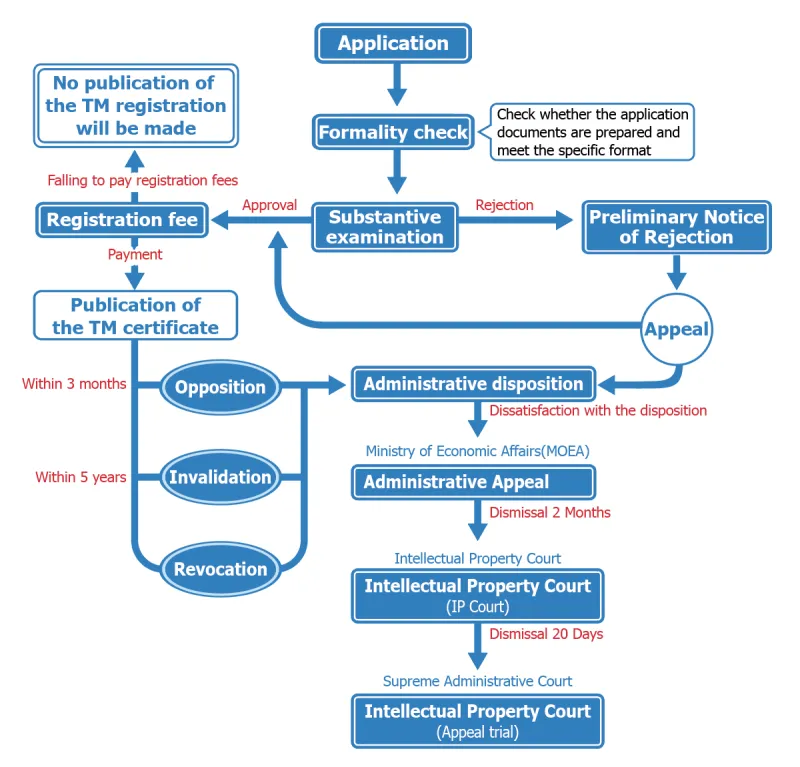
Taiwan's intellectual property framework carries structural quirks that routinely catch American firms off guard — from first-to-file trademark systems to design patent gaps that leave core innovations exposed. Understanding these gray legal zones before expanding is no longer optional; it is a prerequisite for protecting competitive advantage in one of Asia's most dynamic markets.

Investment Opportunities

The Diversification Illusion: Why Shifting Production to Taiwan May Not Reduce the Supply Chain Risk You Think It Does

Relocating production to Taiwan has become a reflexive response to supply chain disruption, but the strategy rests on assumptions that supply chain analysts are increasingly calling into question. Hidden component dependencies, concentrated supplier networks, and geopolitical exposure mean that Taiwan diversification can create a false sense of security — while leaving core vulnerabilities intact.

The Distributed Advantage: How Forward-Looking US Firms Are Building High-Performance Teams With Taiwan's Skilled Remote Workforce 13
Investment Opportunities

The Distributed Advantage: How Forward-Looking US Firms Are Building High-Performance Teams With Taiwan's Skilled Remote Workforce

Taiwan's professional talent base — spanning engineering, design, finance, and technology — has become newly accessible to American employers through the normalization of distributed work models, without the overhead of establishing a physical presence. US companies that have moved deliberately on this opportunity are reporting significant gains in technical output and cost efficiency. This piece examines how to structure a Taiwan remote hiring strategy that delivers results.

Regulatory Blind Spots: What US Exporters Must Know Before Scaling Into Taiwan's Changing Trade Environment 14
Market Analysis

Regulatory Blind Spots: What US Exporters Must Know Before Scaling Into Taiwan's Changing Trade Environment

Taiwan's trade regulatory framework has undergone significant revision since 2023, and American companies unprepared for the pace of change are absorbing costs they never budgeted for. From updated export licensing requirements to tightened customs disclosure protocols, the compliance burden is growing more complex by the quarter. This analysis maps the most consequential pitfalls and outlines a practical framework for US exporters looking to protect their margins.

Small Players, Big Wins: How US Mid-Market Companies Are Capitalizing on Taiwan's Shifting Manufacturing Landscape 15
Investment Opportunities

Small Players, Big Wins: How US Mid-Market Companies Are Capitalizing on Taiwan's Shifting Manufacturing Landscape

As multinational corporations lock up Taiwan's premier production capacity, a quieter story is unfolding on the factory floors of Taichung, Tainan, and the island's lesser-known industrial corridors. Nimble American small and mid-sized businesses are finding that Taiwan's fragmented supplier ecosystem, long viewed as a liability, is actually their greatest competitive asset. This analysis explores how US SMBs can turn the island's manufacturing complexity into durable supply chain advantage.

Market Analysis

Lost in Translation: The Venture Capital Assumptions That Are Costing American Entrepreneurs in Taiwan

Taiwan's startup economy has quietly grown into one of Asia's most strategically significant venture markets, yet American entrepreneurs continue to approach it with frameworks borrowed wholesale from Silicon Valley—and pay the price in failed pitches, misaligned partnerships, and missed exits. Understanding how Taiwan's investment culture, founder expectations, and deal structures diverge from US norms is not merely academic; it is the prerequisite for any American operator serious about access

Market Analysis

Race to Realign: How the Fastest-Moving US Corporations Are Rewriting Their Taiwan Playbooks

As geopolitical friction, shifting tariff regimes, and semiconductor volatility continue to reshape the global manufacturing landscape, a clear divide is emerging between US companies that are moving decisively on their Taiwan strategies and those still deliberating. This analysis profiles the corporations setting the pace — and examines what separates bold repositioning from costly hesitation.

Investment Opportunities

The Engineering Edge Hiding in Plain Sight: Why US Startups Are Overlooking Taiwan's Technical Talent

Taiwan has quietly built one of Asia's most sophisticated engineering workforces, yet US startup founders continue to default to domestic hiring or Indian outsourcing without seriously evaluating the island's talent pool. This investigation explores what American entrepreneurs are missing — and offers a practical framework for accessing Taiwan's technical expertise through remote hiring, co-development partnerships, and structured talent pipelines.

Market Analysis

Beyond Chips: How American Tech Giants Are Quietly Rewiring Their Taiwan Sourcing Playbook

American technology firms are expanding their Taiwan footprint well past the semiconductor conversation, quietly building deep sourcing relationships across precision manufacturing, specialty materials, and advanced electronics components. As geopolitical pressure mounts and supply chain resilience becomes a boardroom priority, Taiwan's broader industrial ecosystem is emerging as a critical—and underappreciated—strategic asset. This analysis examines what US business leaders need to understand a

Investment Opportunities

Taiwan's $50 Billion Energy Transition: Five Sectors Where US Investors Are Leaving Money on the Table

Taiwan has committed to one of Asia's most ambitious renewable energy buildouts, channeling tens of billions of dollars into offshore wind, battery storage, and smart grid modernization over the coming decade. Yet the majority of US investors and entrepreneurs remain largely unaware of the B2B opportunities embedded within this transition. Here are five specific sectors where American companies and capital are conspicuously absent—and where the entry window remains open.